OVERVIEW
Every new internal product or tool required multiple custom integrations to access HR data, creating significant development overhead and increasing operational costs.
Siemens Energy relies on several third-party platforms to manage HR operations. While each tool served a specific purpose, the data across these systems remained fragmented.
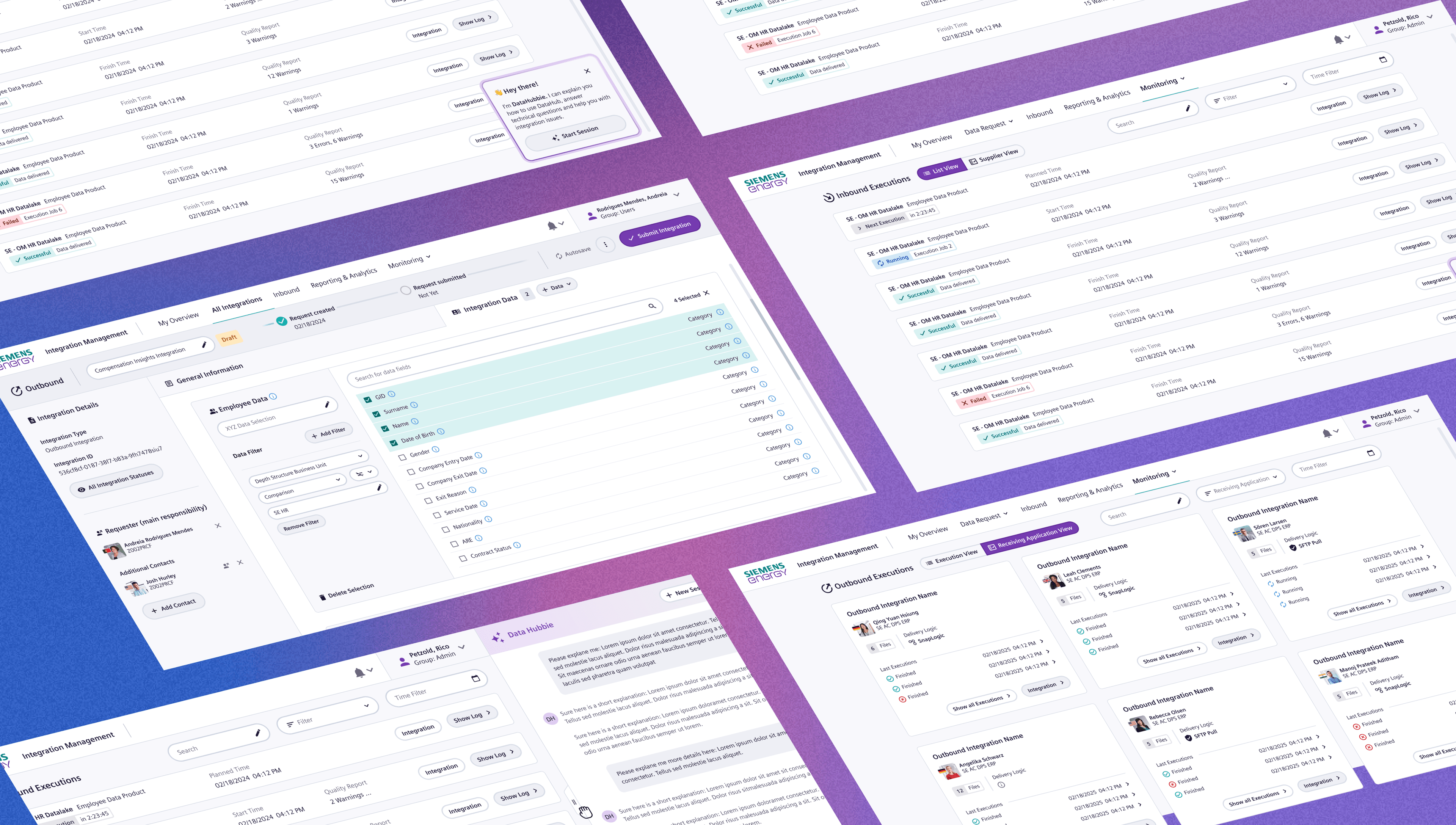
I worked on DataHub, a centralized integration management platform designed to streamline how teams access, manage, and monitor HR data integrations across the organization.
THE CHALLENGE
HR data at Siemens Energy lived across multiple external systems. When internal teams needed this data for new tools or services, developers had to build integrations with several platforms simultaneously.
This created three major problems:
Integration Overhead
Each new internal tool required multiple integrations with different HR systems. On average, teams built around 15 new integrations every quarter, increasing development time and cost.
Limited Access Control
Because data flowed across several systems, it became difficult to clearly track who had access to what data and how it was being used.
Vendor Lock-In
Introducing a new HR platform meant integrating it with existing systems, creating high switching costs and limiting the organization’s flexibility.
The organization needed a more scalable way to manage data access across teams.
Some of the Key Flows....
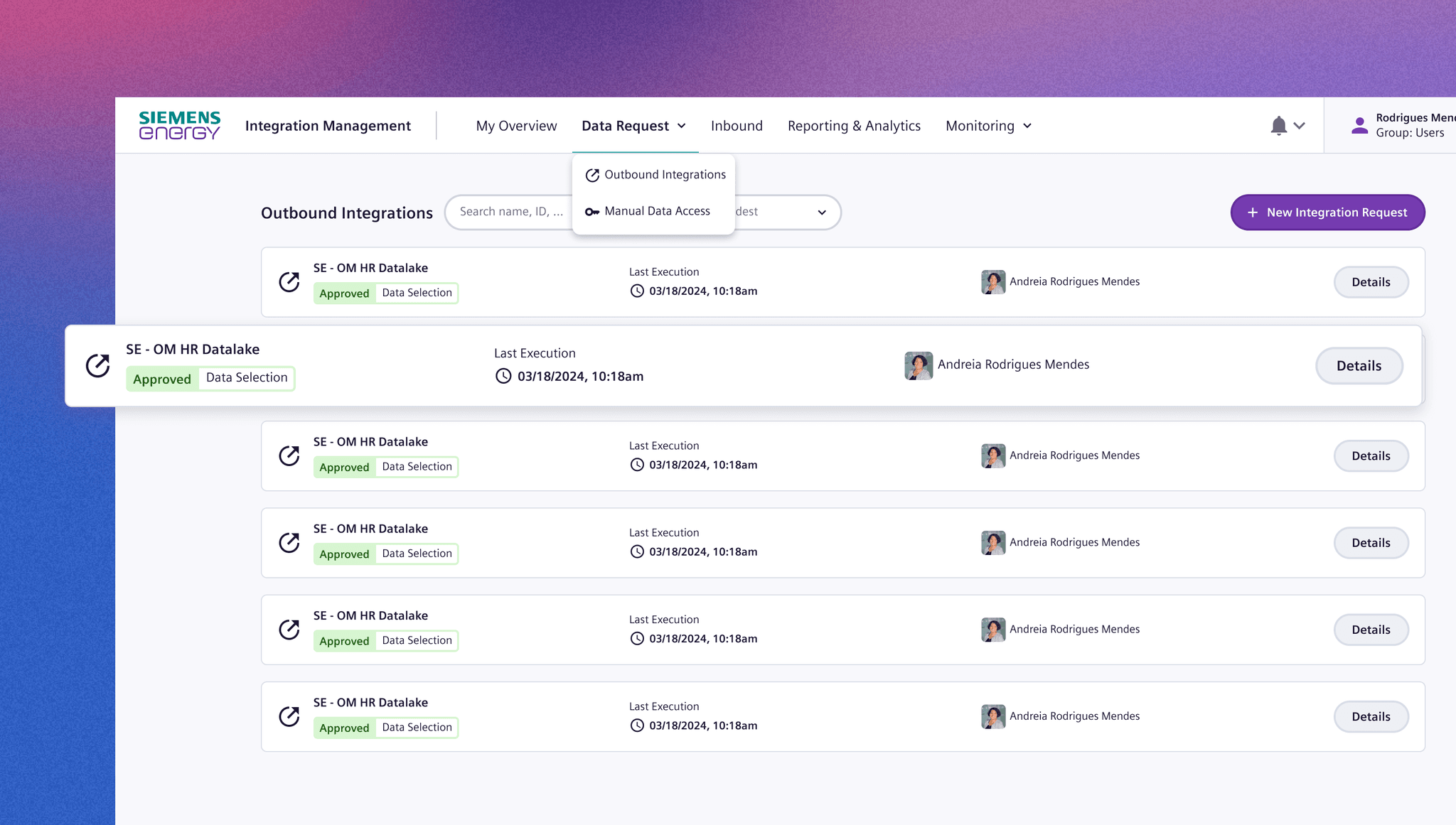
List of Outbound Integrations
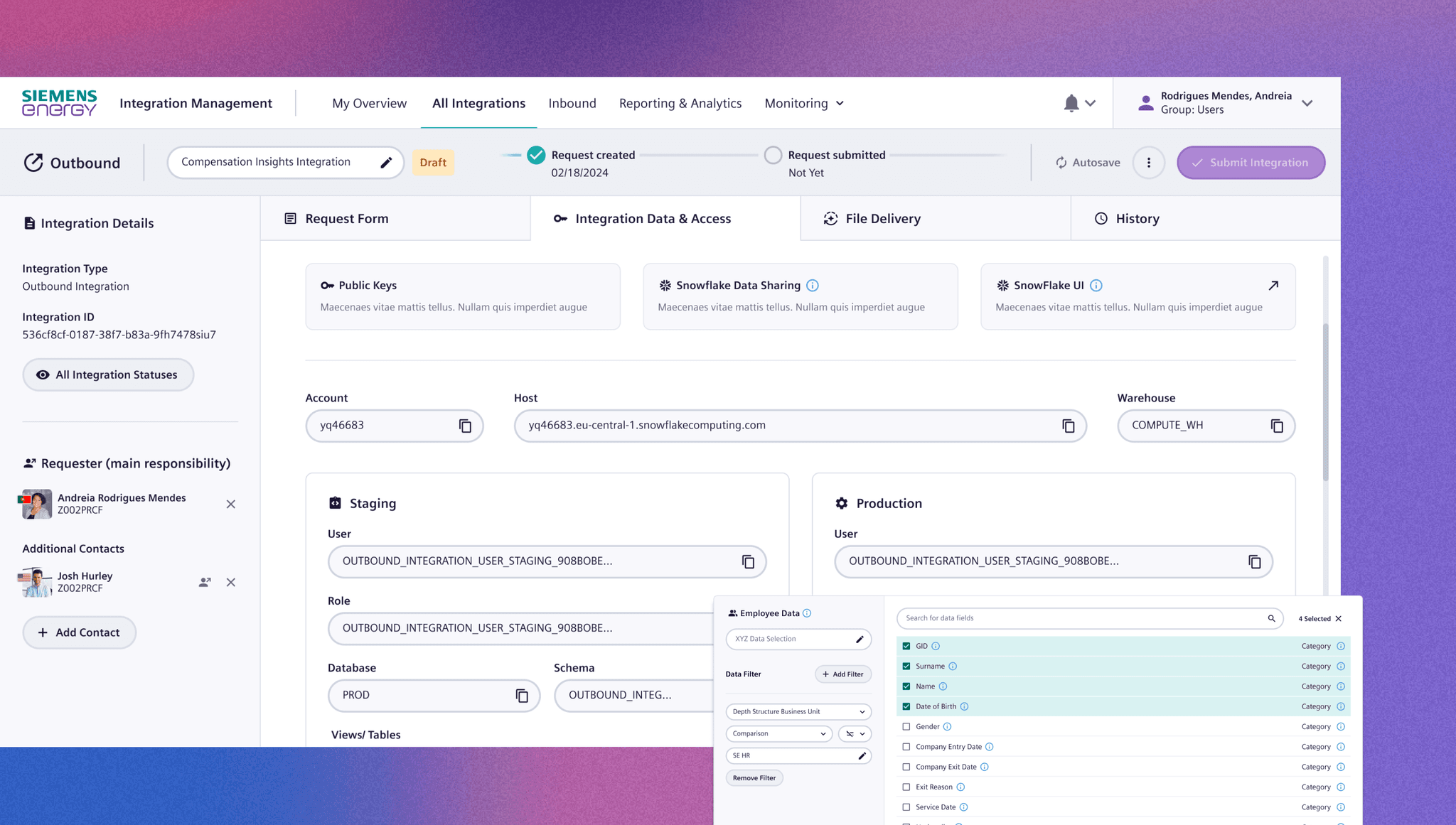
Integration Data Request
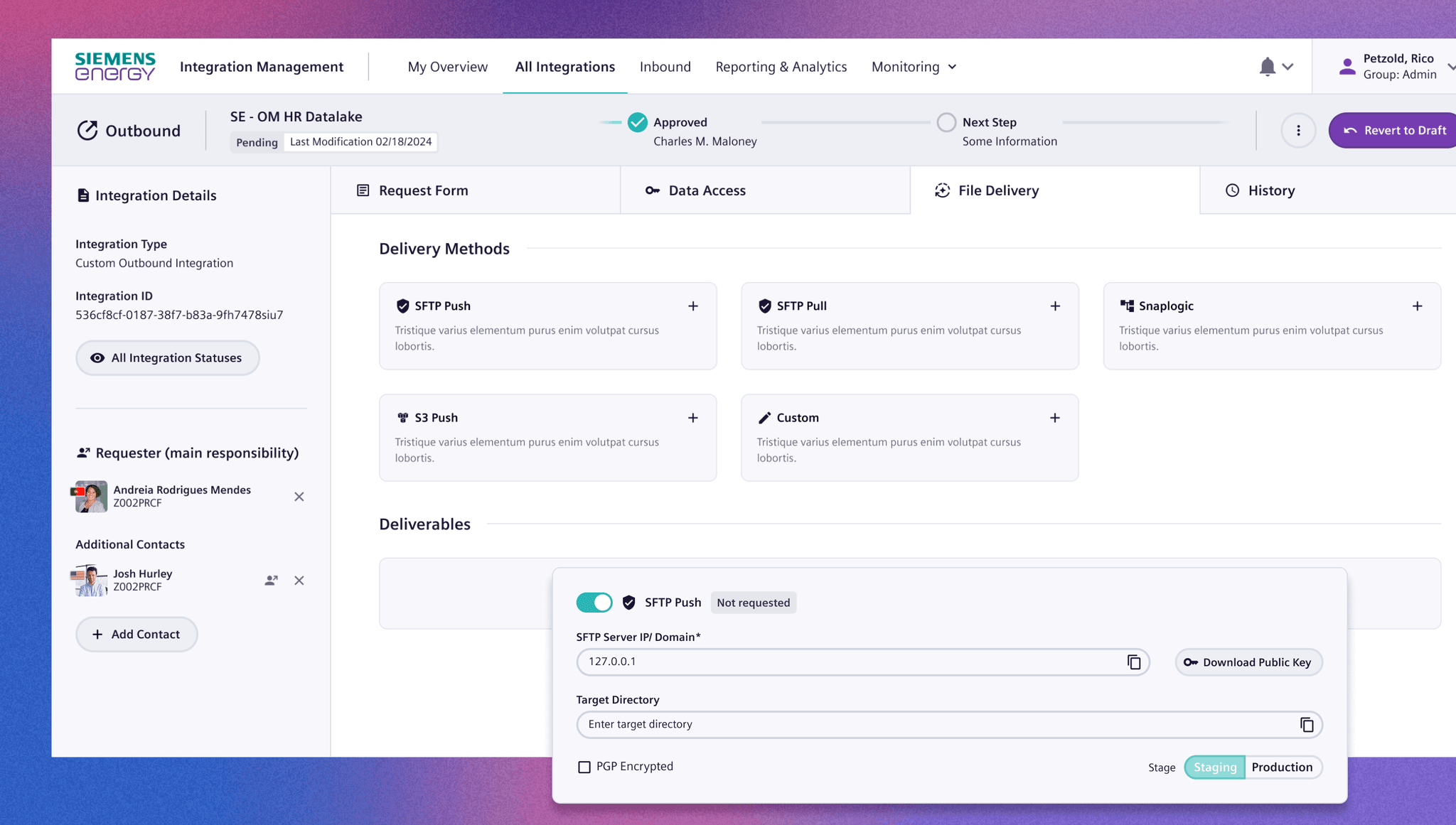
Approval of Integration requests
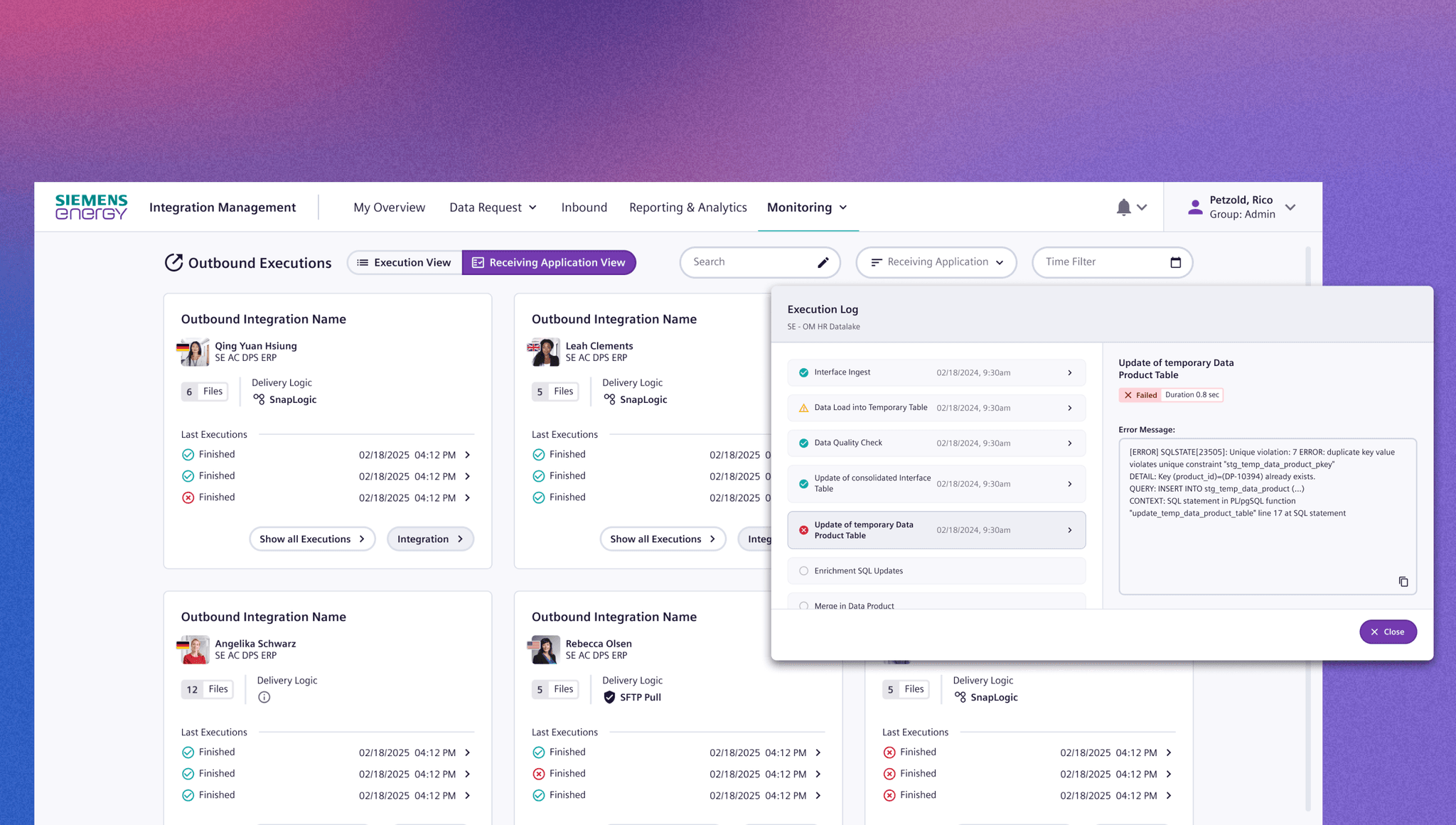
Integrations Monitoring
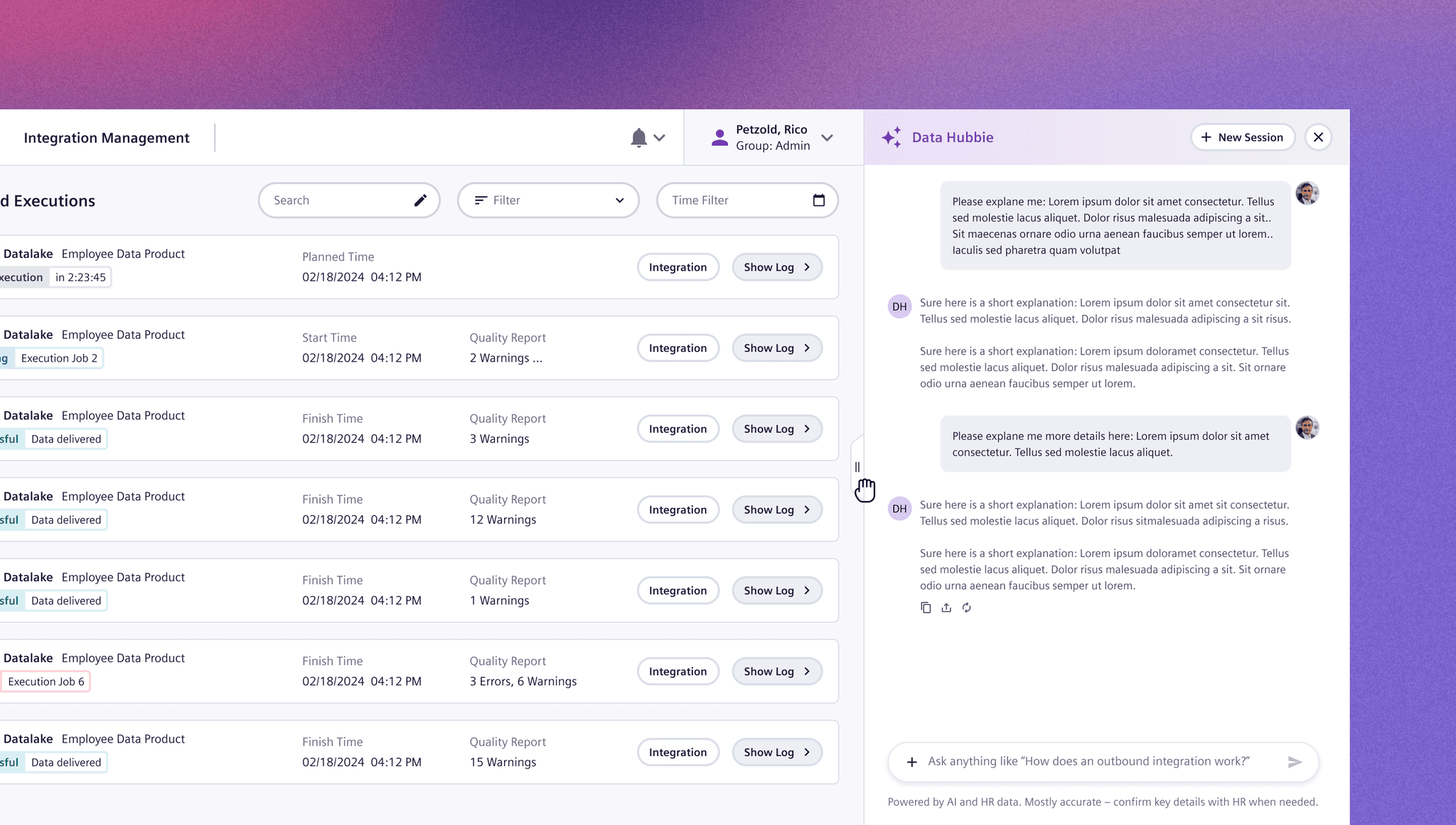
AI Chat Assistant
MY ROLE
As the product designer on the project, I was responsible for:
1. Mapping existing data flows and integration workflows
2. Designing the platform architecture and user flows
3. Creating wireframes and prototypes for stakeholder validation
4. Designing key platform interfaces using Siemens Energy’s COIN design system
5. Supporting alignment between technical teams and product stakeholders
IMPACT
By centralizing data integrations, Siemens Energy estimates approximately 5% savings in development costs for internal tools, while enabling teams to build new services more quickly.
40 – 70 Days Saved
Estimated developer days saved annually by eliminating repeated integrations
Weeks to Days Setup
Reduce integration setup time from multiple days to a streamlined request-and-approval workflow
Transparent Access control
Improve transparency around data access, allowing teams to clearly track inbound and outbound integrations
INSIGHTS
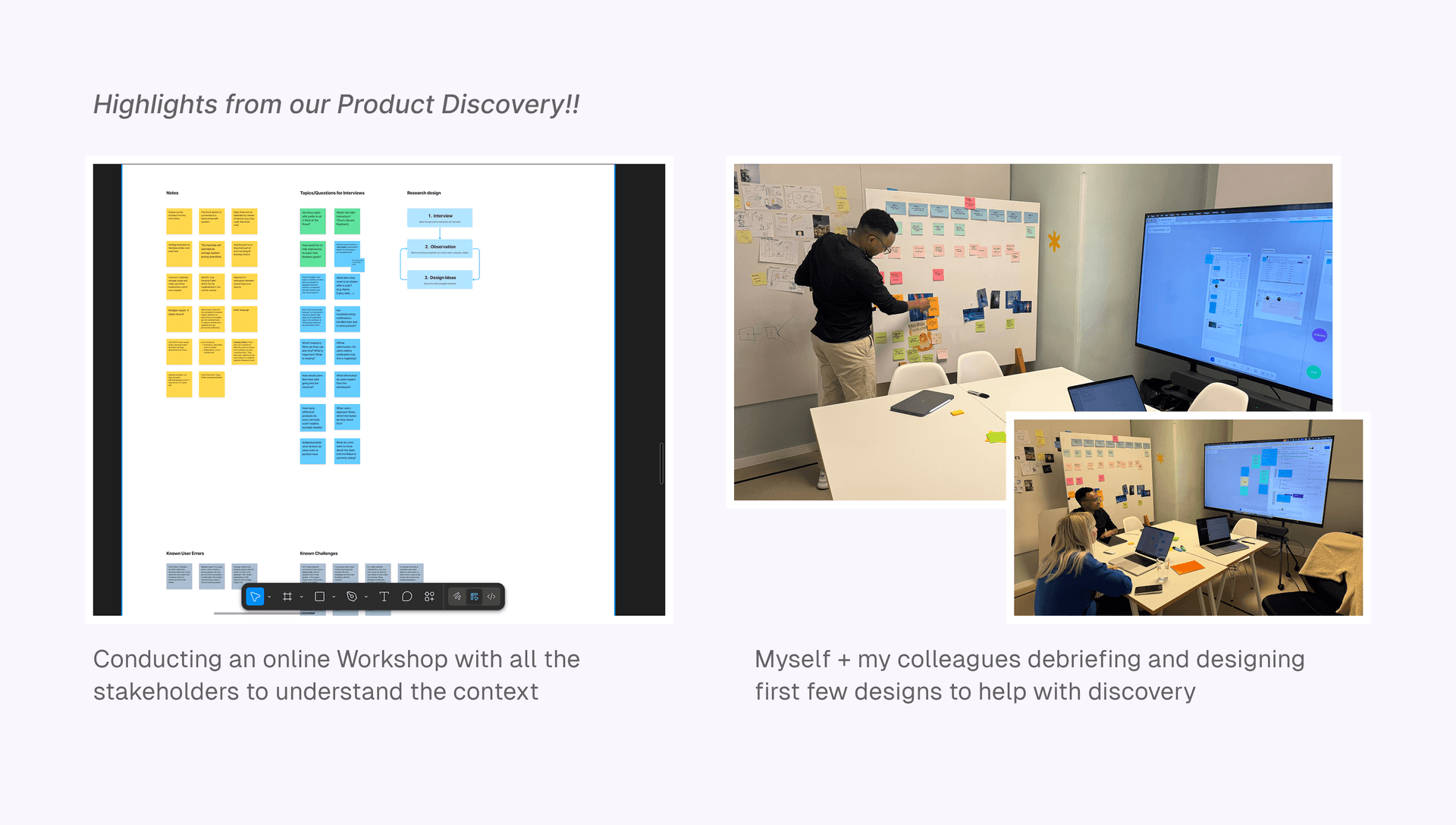
Data access approvals needed to be simple but informative.
Allowing decision-makers to quickly understand the request context. Below were other important insights uncovered.
DESIGN DECISIONS
From these insights, we defined a set of design principles to guide the product architecture and ensure the platform remained usable despite the complexity of the underlying systems.
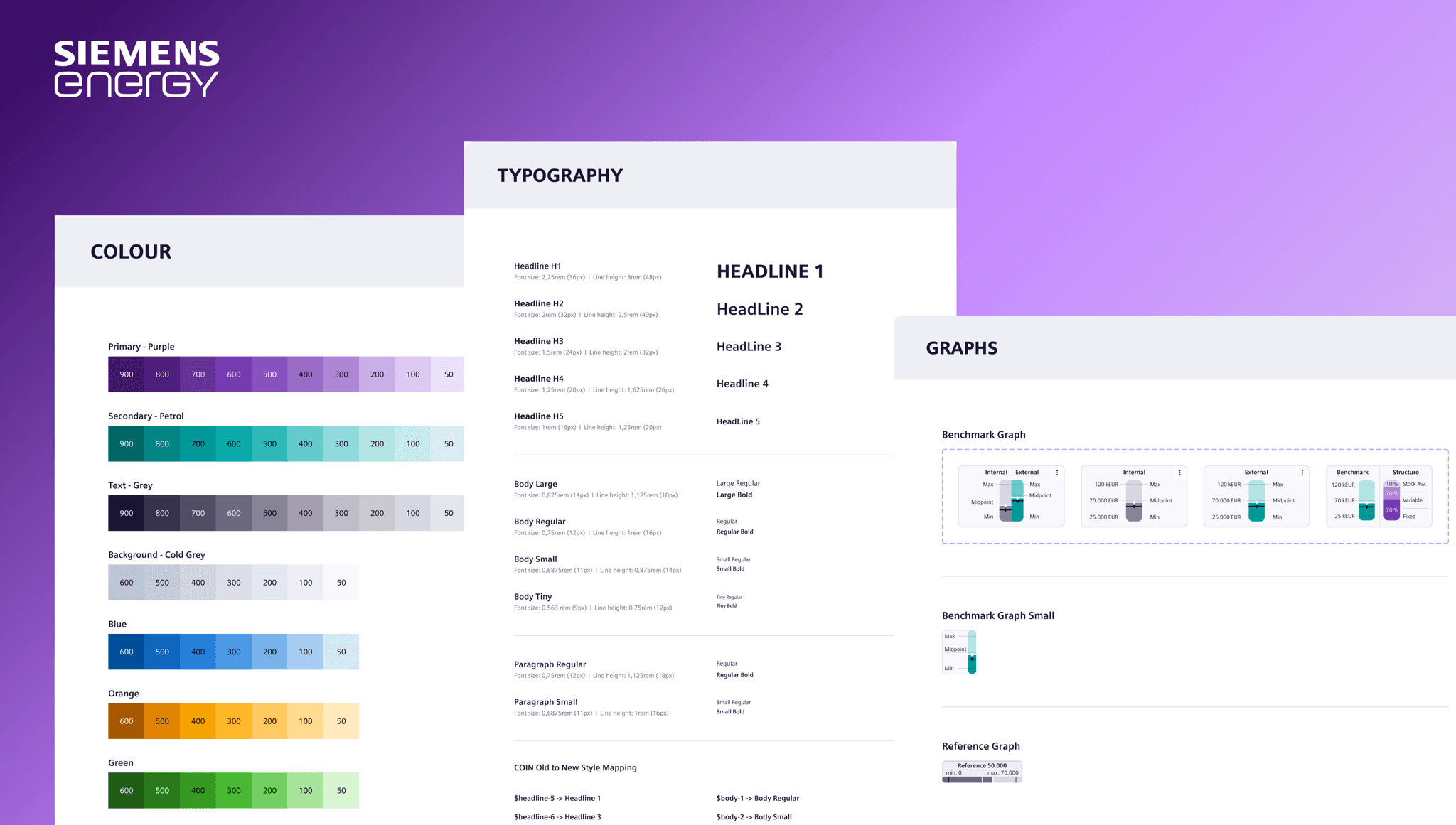
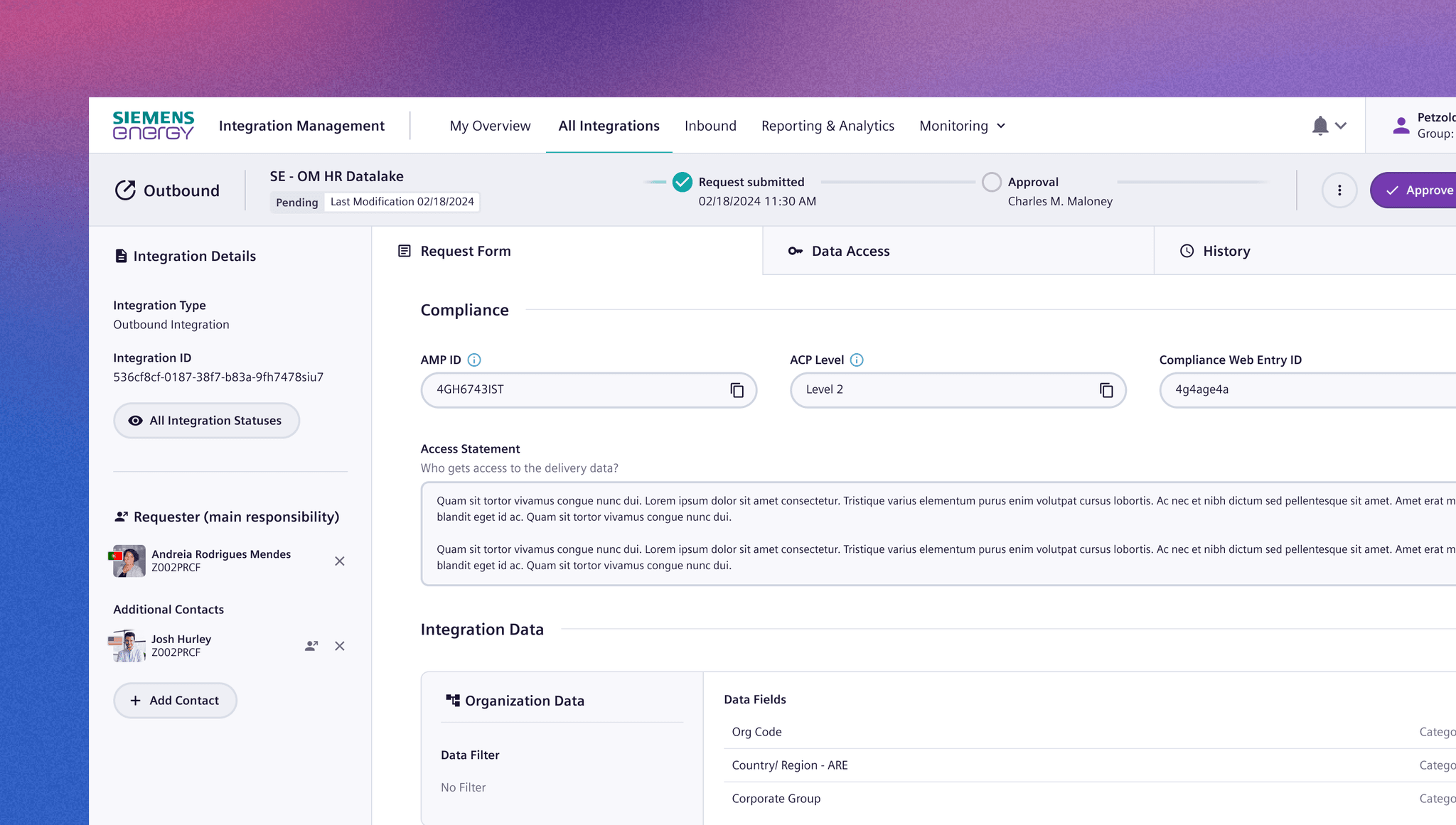
Leveraging the COIN Design System
To ensure consistency and reduce development overhead, we built the interface using Siemens Energy’s COIN design system. This allowed us to move quickly while maintaining alignment with existing internal tools.
Prioritizing Visual Clarity
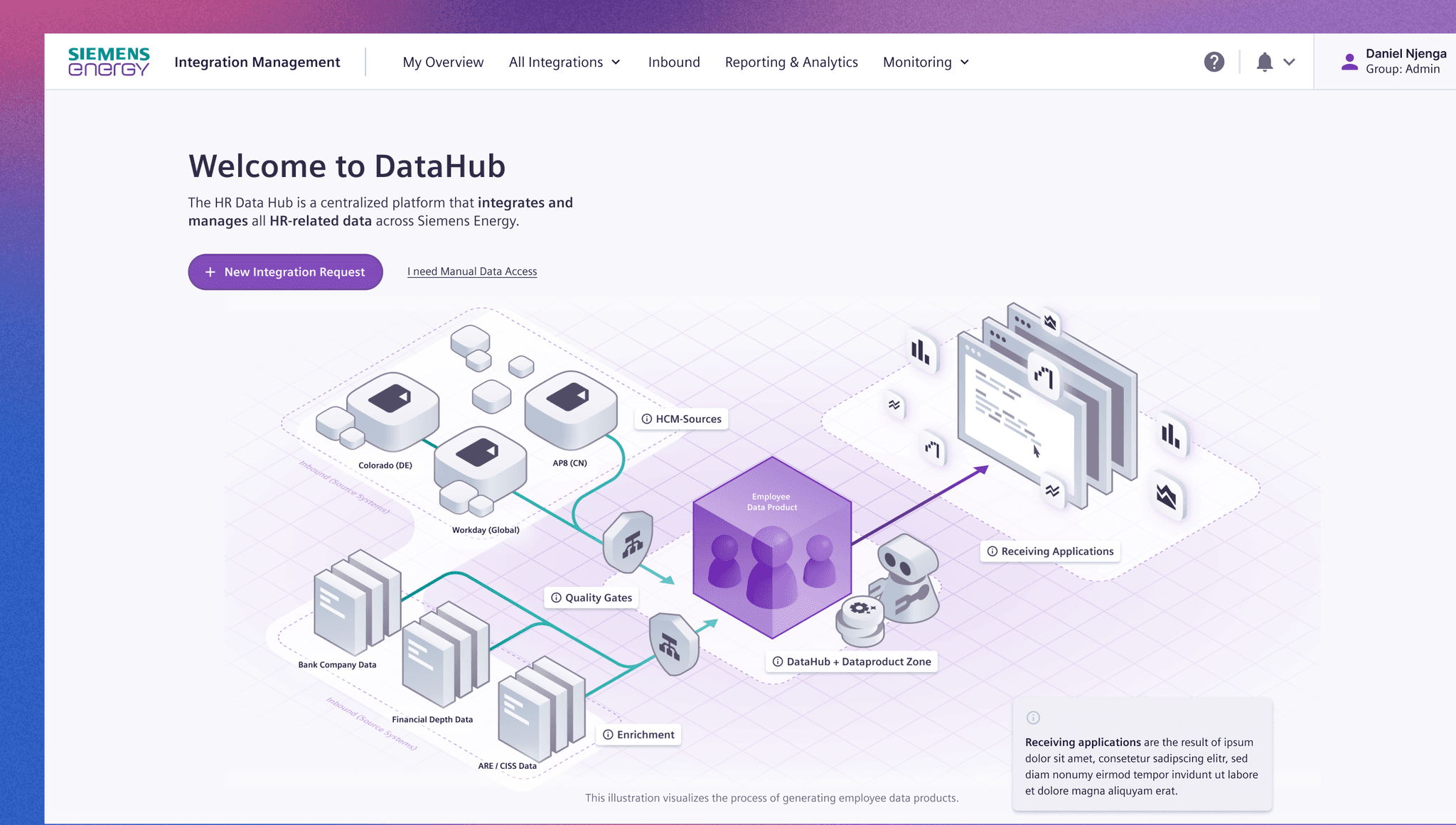
Because the platform was data-heavy, we minimized text-heavy interfaces and emphasized visual components such as dashboards, status indicators, and integration maps.
This reduced errors and improved learnability for new users.
Reducing Language Dependency
The platform would be used across multiple regions and teams. To reduce translation overhead and avoid misinterpretation, we relied on iconography, structured layouts, and clear visual hierarchies instead of text-heavy explanations.
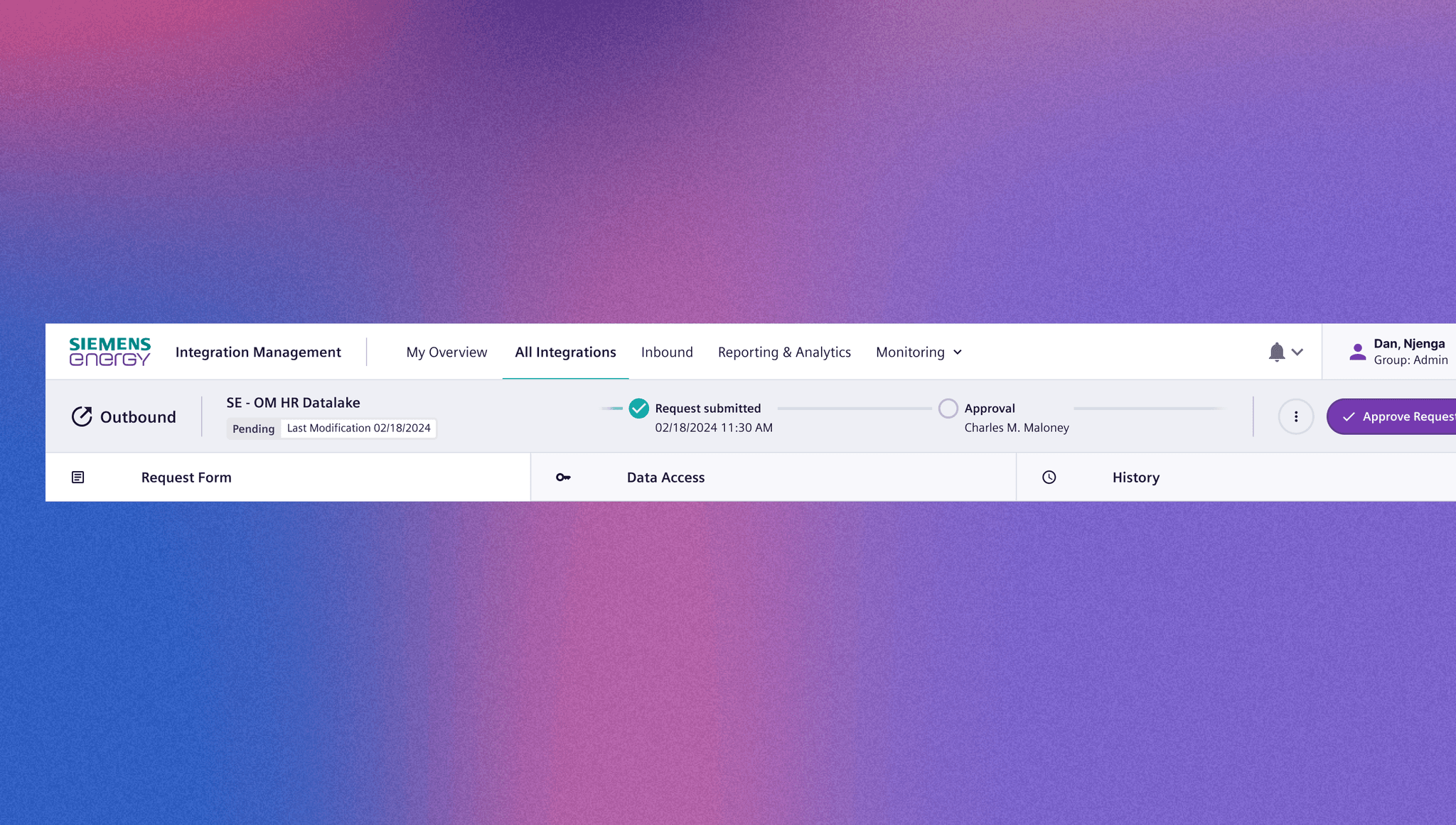
Clear Navigation Across Systems
Users needed to navigate multiple data environments and integration contexts. We designed a navigation structure that allowed users to switch between systems while maintaining visibility of their active integrations.
REFLECTIONS
What I Learnt
Design as a discovery tool
Early prototypes helped align stakeholders faster than lengthy documentation or research alone. When product direction is unclear, visualizing ideas early helps teams refine their thinking and converge on better solutions.
AI as a design accelerator
Using AI tools helped me quickly understand technical concepts and system architectures, allowing me to collaborate more effectively with engineers.
Other Case Studies
 Prev: Rafu Zetu 🇰🇪